

- Remove the current class from the content27_link item as Webflows native current state will automatically be applied.
- To add interactions which automatically expand and collapse sections in the table of contents select the content27_h-trigger element, add an element trigger and select Mouse click (tap)
- For the 1st click select the custom animation Content 27 table of contents [Expand] and for the 2nd click select the custom animation Content 27 table of contents [Collapse].
- In the Trigger Settings, deselect all checkboxes other than Desktop and above. This disables the interaction on tablet and below to prevent bugs when scrolling.
We brush our teeth twice a day without thinking about it. We check our heart rate after workouts religiously. So why do we treat our brains like mysterious black boxes?
For generations, we’ve accepted that the inner workings of our minds are beyond our understanding and control. We’ve relied on subjective cues like feeling tired or distracted, often realizing too late that our cognitive performance has already been compromised for hours.1 This reactive approach to mental wellness is a relic of an era defined by a lack of tools. Just as dental health was a mystery before the toothbrush became a household staple, brain health has remained an inaccessible frontier.
Today, that era is over. We are at the dawn of a new, essential category of self care: brain hygiene.
Brain hygiene reframes our cognitive well being as an active, daily practice, not a passive state. It’s a paradigm shift, moving from reacting to burnout and decline to proactively building a healthier, more resilient brain. At Neurable, we’ve spent over a decade on a mission to create the tools for this new era. We are building the toothbrush for your mind.
The Birth of a New Wellness Category
The concept of hygiene is built on small, consistent, preventative actions that lead to long term health. A century ago, the simple act of daily tooth brushing revolutionized public health. We are proposing the same revolution for our minds.
The challenge has always been measurement. You can’t improve what you can’t measure. For decades, the only way to get meaningful data about your brain was to enter a lab, be fitted with a cumbersome gel cap, and sit perfectly still. After more than a decade of relentless innovation, we’ve engineered a solution that moves this technology from the lab into your life. By integrating research grade EEG sensors into everyday headphones, we’ve made daily brain monitoring not just possible, but effortless.
This breakthrough allows us to introduce new vital signs for the mind.
Focus Score, Cognitive Strain, and Brain Age: The New Vital Signs
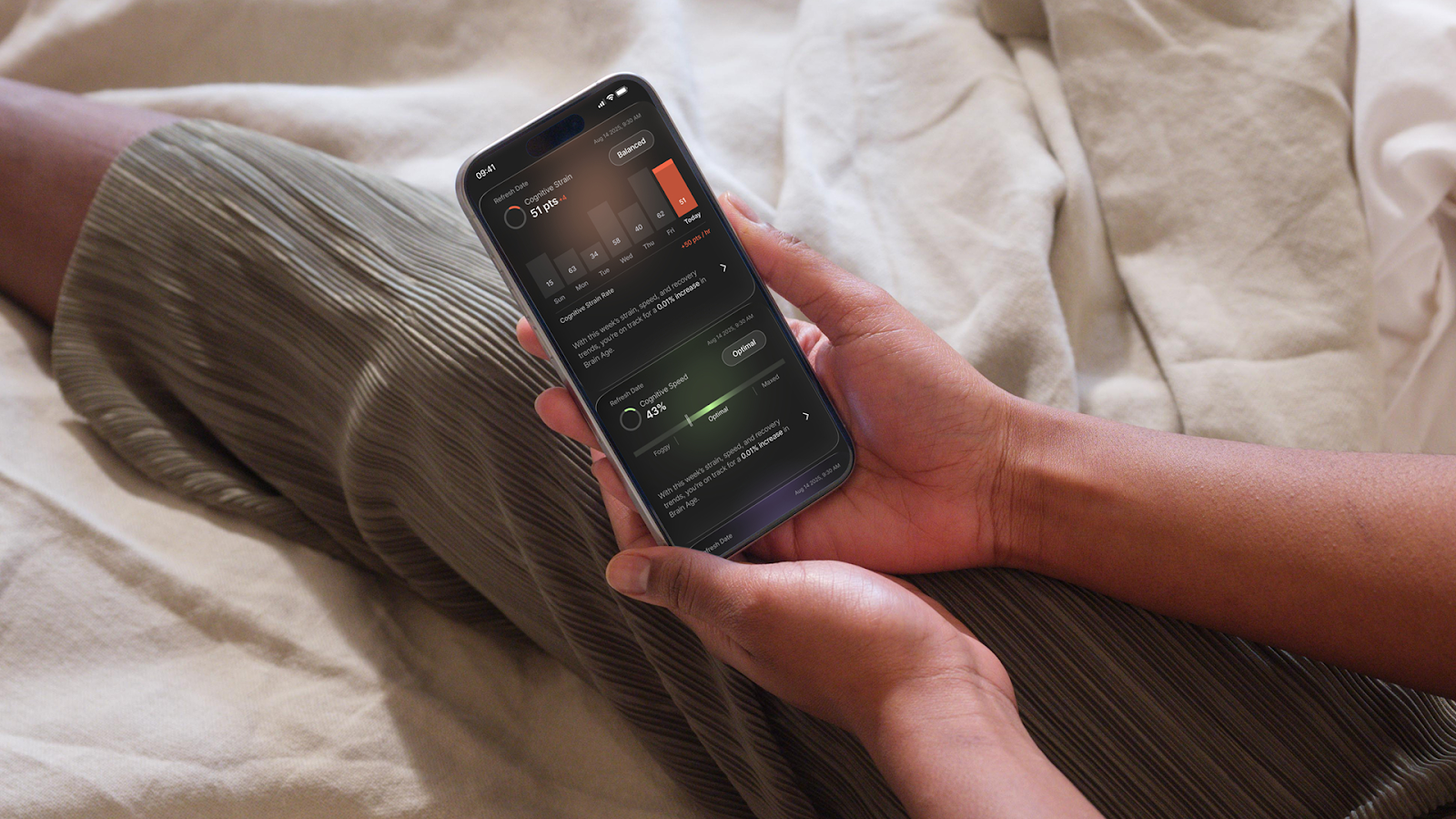
For the first time, we can move beyond guesswork and track objective, real time metrics about our cognitive state. The Neurable app provides a suite of cognitive metrics that act as your new vital signs:
- Focus Score: A real time measure of your brain's ability to sustain attention and filter out distractions.
- Cognitive Strain: Your brain's exertion so far today. Like a muscle, your brain has limits of how hard you can push, and our system can detect when it’s time to call it quits for the day.
- Cognitive Speed: How quickly your brain processes and responds to information.
- Anxiety Resilience: Your brain's capacity to handle stressful situations.
- Brain Age: A dynamic measure of your brain's health and performance relative to previous weeks.
These aren't just interesting data points; they are the foundational metrics for practicing daily brain hygiene.
How Daily Brain Monitoring Prevents Long Term Decline
The power of brain hygiene lies in the compound effect of small, daily improvements. Just as daily brushing prevents cavities years down the line, daily brain monitoring builds a more resilient mind. This is grounded in two core principles of neuroscience: neuroplasticity and cognitive reserve.
Repeated engagement in a focused task or learning new skills physically alters your brain's neural pathways. This is neuroplasticity. By practicing brain hygiene, you are actively sculpting a more efficient brain. At the same time, you are building your brain's ability to withstand neurological damage while maintaining function. A daily routine of managing your cognitive energy and training your focus is a direct investment in your long term brain health, helping to prevent or delay the onset of age related cognitive decline.
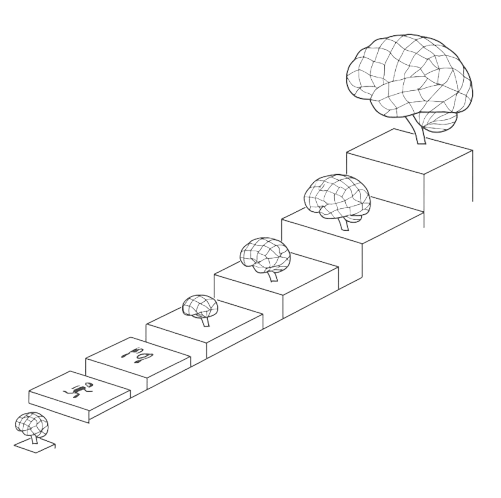
The Brain Hygiene Pyramid: A Prioritized Action Plan
A core tenet of brain hygiene is personalization. One size fits all methods like the Pomodoro Technique can be counterproductive, interrupting you just as you enter a state of deep focus, or "flow". Your brain is a dynamic system, and you need a tool that adapts to you.
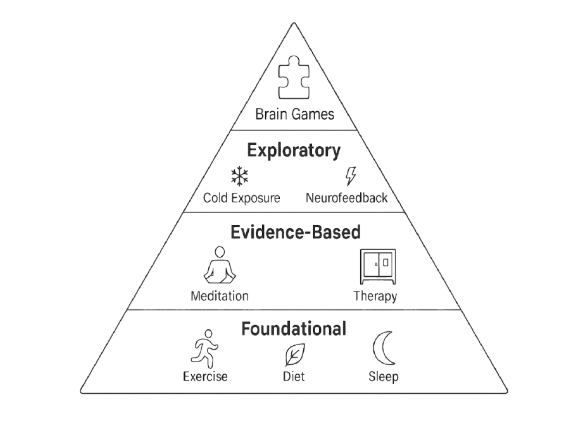
To help you identify what works for your brain, we've organized evidence based interventions into a prioritized framework. The Brain Hygiene Pyramid helps you focus on what matters most, starting with the non negotiable foundations and building from there.
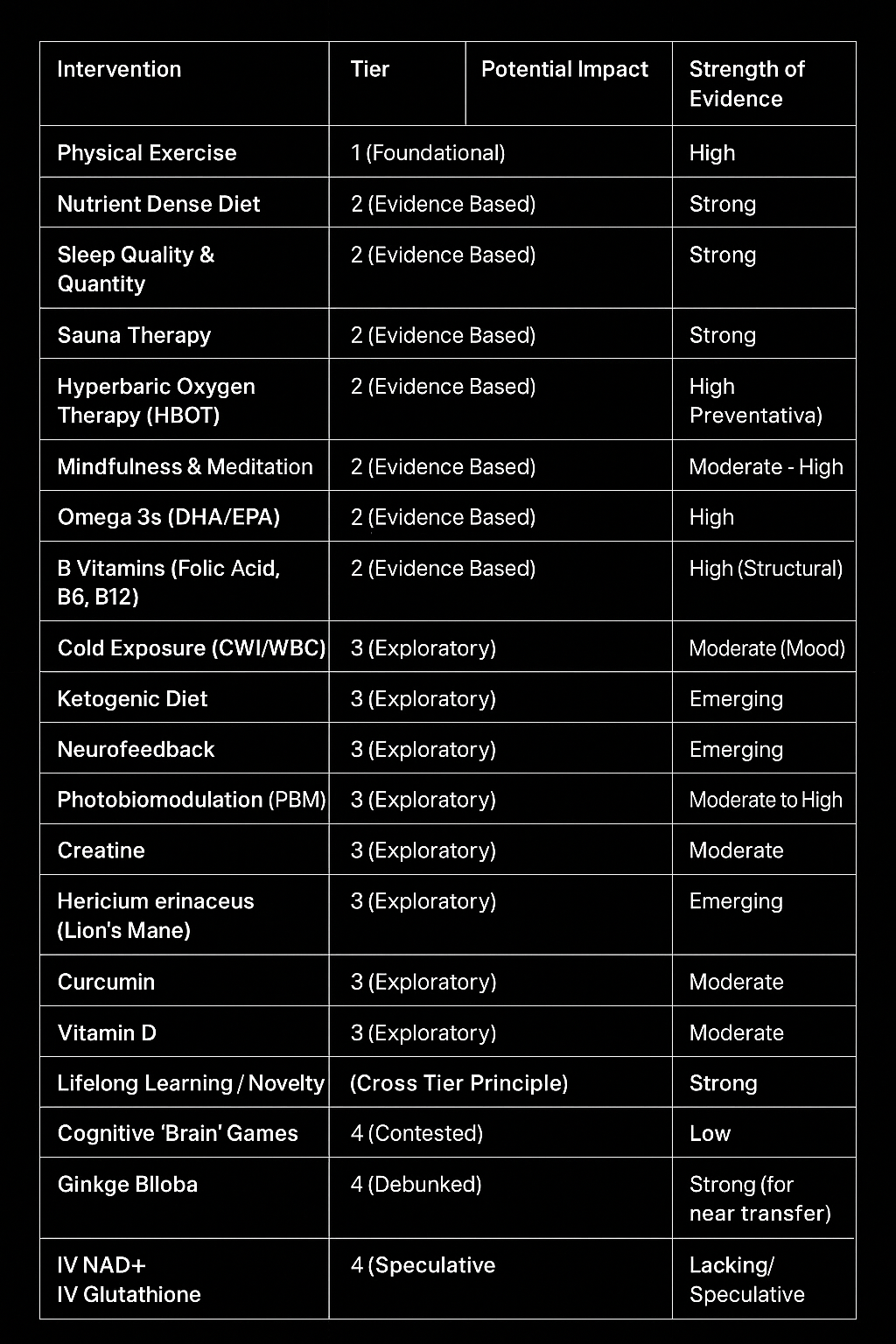
The Neurable App: Identifying What Works for You
The Brain Hygiene Pyramid tells you what to try. The Neurable app shows you if it's working and how well.
By providing real time biofeedback, our system allows you to run your own personal experiments. You can see the direct impact of these evidence based interventions on your own cognitive metrics. You can see how a 10 minute Meditation session each day changes your Brain Age at the end of the week. You can see how a poor night's sleep impacts your Mental Recovery and Focus Scores the next day, reinforcing the science that sleep is your brain's essential maintenance cycle. Or you can see how a quick bout of exercise boosts your Cognitive Speed, reflecting its power to increase cerebral blood flow and vital neurotrophic factors.
By seeing the data for yourself, you move from hoping a habit works to knowing it does.
Success Stories: Transforming Cognitive Health
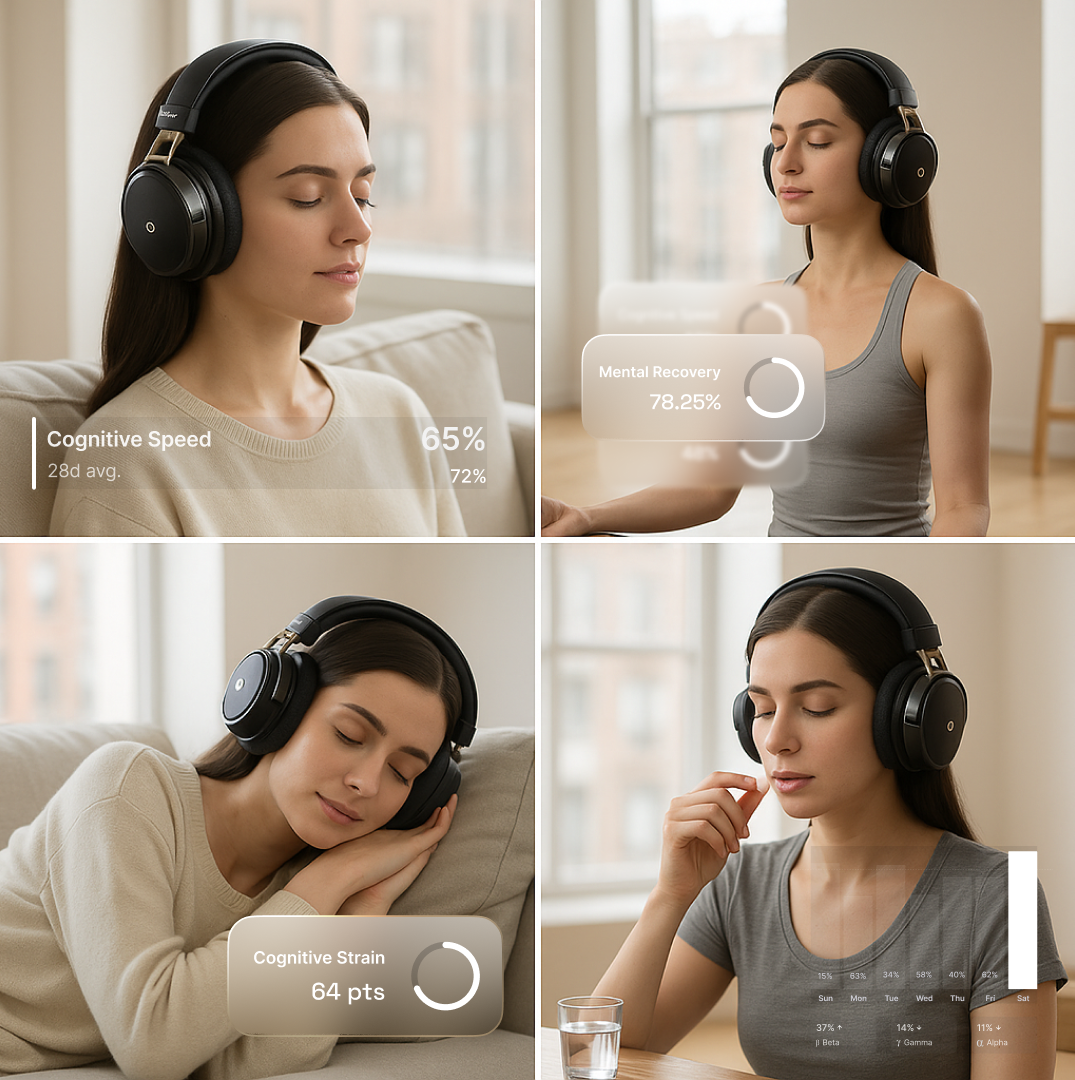
We are already seeing users transform their cognitive health. One user told us, "Before these headphones I was beholden to the whims of my energy levels and mood. I can finally understand more about how my mind works". Another shared how data driven break recommendations helped them feel more relaxed and get back into a focused state more easily.
My own journey is a testament to this. Diagnosed with ADHD at 15, I struggled for years with a choice: take medication that muted my personality or wrestle with inconsistent focus. Using our biofeedback system has been a personal victory. When my focus begins to drift, a subtle audio cue gently nudges me back on track. For the first time, I learned what focus feels like, and I can now consciously control my attention without medication.
This is the promise of brain hygiene: empowering you with the tools to turn your challenges into strengths.
The era of treating our brains as mysterious black boxes is over. Brain hygiene is the new standard of self care, a daily practice as essential as brushing your teeth. It’s about making small, consistent improvements that compound over a lifetime, ensuring that our minds remain our greatest asset. This is more than a tool; it's a commitment to a healthier, more focused you.
2 Distraction Stroop Tasks experiment: The Stroop Effect (also known as cognitive interference) is a psychological phenomenon describing the difficulty people have naming a color when it's used to spell the name of a different color. During each trial of this experiment, we flashed the words “Red” or “Yellow” on a screen. Participants were asked to respond to the color of the words and ignore their meaning by pressing four keys on the keyboard –– “D”, “F”, “J”, and “K,” -- which were mapped to “Red,” “Green,” “Blue,” and “Yellow” colors, respectively. Trials in the Stroop task were categorized into congruent, when the text content matched the text color (e.g. Red), and incongruent, when the text content did not match the text color (e.g., Red). The incongruent case was counter-intuitive and more difficult. We expected to see lower accuracy, higher response times, and a drop in Alpha band power in incongruent trials. To mimic the chaotic distraction environment of in-person office life, we added an additional layer of complexity by floating the words on different visual backgrounds (a calm river, a roller coaster, a calm beach, and a busy marketplace). Both the behavioral and neural data we collected showed consistently different results in incongruent tasks, such as longer reaction times and lower Alpha waves, particularly when the words appeared on top of the marketplace background, the most distracting scene.
Interruption by Notification: It’s widely known that push notifications decrease focus level. In our three Interruption by Notification experiments, participants performed the Stroop Tasks, above, with and without push notifications, which consisted of a sound played at random time followed by a prompt to complete an activity. Our behavioral analysis and focus metrics showed that, on average, participants presented slower reaction times and were less accurate during blocks of time with distractions compared to those without them.
%20(1).png)
.webp)